
Burner will not ignite
Electrode position, burner ports, grounding, wiring, and spark-module output are inspected with the ignition sequence.
High-end appliance service
Diagnostics and repair for Wolf ranges, ovens, cooktops, rangetops, and ventilation equipment.
Explore Wolf model guides
Equipment coverage
The service page is organized around real appliance systems rather than a generic list of brand keywords.
Common service calls
Electrode position, burner ports, grounding, wiring, and spark-module output are inspected with the ignition sequence.
Gas ignition or electric elements, relays, sensors, power, and control commands are tested according to model.
Cavity measurements, sensor response, door sealing, convection, and calibration are compared across a full cycle.
Blade clearance, motor bearings, mounting, heat shields, and airflow are checked before fan replacement.
The displayed code is confirmed against wiring and live component readings instead of being used alone.
Burner cleanliness, cap alignment, ports, valves, regulator behavior, and supply conditions shape the flame pattern.
Local availability
Five-star Google reviews
Short excerpts from recent five-star customer reviews. Open Google to read the full feedback and current profile details.
“Friendly, skilled, honest and reliable.”Read on Google
“Professional, knowledgeable and fast work.”Read on Google
“Great all around service.”Read on Google
“Great service; fixed the washer.”Read on Google
Ghost Appliance Repair is an independent service company and is not affiliated with or endorsed by Wolf or its manufacturer. Brand names identify the equipment we diagnose.
Brand service guide
Detailed information for owners who need to understand the Wolf service process before scheduling a visit.
Dual Fuel ranges use surface gas systems with electric oven controls and heating circuits, while gas ranges follow a different ignition and temperature path. Rangetops, cooktops, built-in ovens, and ventilation products each require their own model information. A single appliance may contain stacked burners, griddle or charbroiler controls, multiple oven cavities, convection, probes, and cooling fans. Diagnosis ties the symptom to the correct subsystem before access panels or a heavy range are moved.
Repeated clicking, delayed flame, weak flame, or a burner that lights unevenly can indicate moisture, blocked ports, cap alignment, electrode damage, grounding, wiring, spark control, valve, or supply conditions. Oven temperature complaints require measured heat cycles, not a quick display comparison. The technician considers igniter performance, sensor response, door sealing, element output, convection, and calibration while keeping gas and electrical safety central.
Professional cooking equipment is heavy and often installed tightly between cabinets, stone counters, backsplashes, and custom ventilation. Service planning includes anti-tip hardware, gas or electrical disconnects, floor protection, trim, and access. Repair value depends on the failed system, age, condition, and parts support, but a focused component repair may preserve an appliance that is expensive and disruptive to replace. Ghost is an independent servicer, not a Wolf-authorized representative.
Common questions
Moisture, burner alignment, contamination, electrode or wire condition, grounding, and flame-sensing behavior can continue the spark sequence. Stop use for delayed ignition or gas odor.
A consistent small offset may be calibrated after sensor response and normal cycling are verified. Large swings, slow preheat, or uneven results require diagnosis before adjustment.
Yes, for supported models. State whether the issue affects surface burners, griddle, charbroiler, one oven cavity, convection, or the control display.
Not always. Many checks begin in place. If removal is needed, weight, anti-tip hardware, floor protection, gas or power connections, and cabinet clearance must be planned safely.
Wolf model guides
These pages separate product architecture, generation, and exact model details before parts or access decisions are made.
Wolf repair guides
These supporting articles answer focused questions and lead back to the complete brand service page when professional diagnosis is needed.
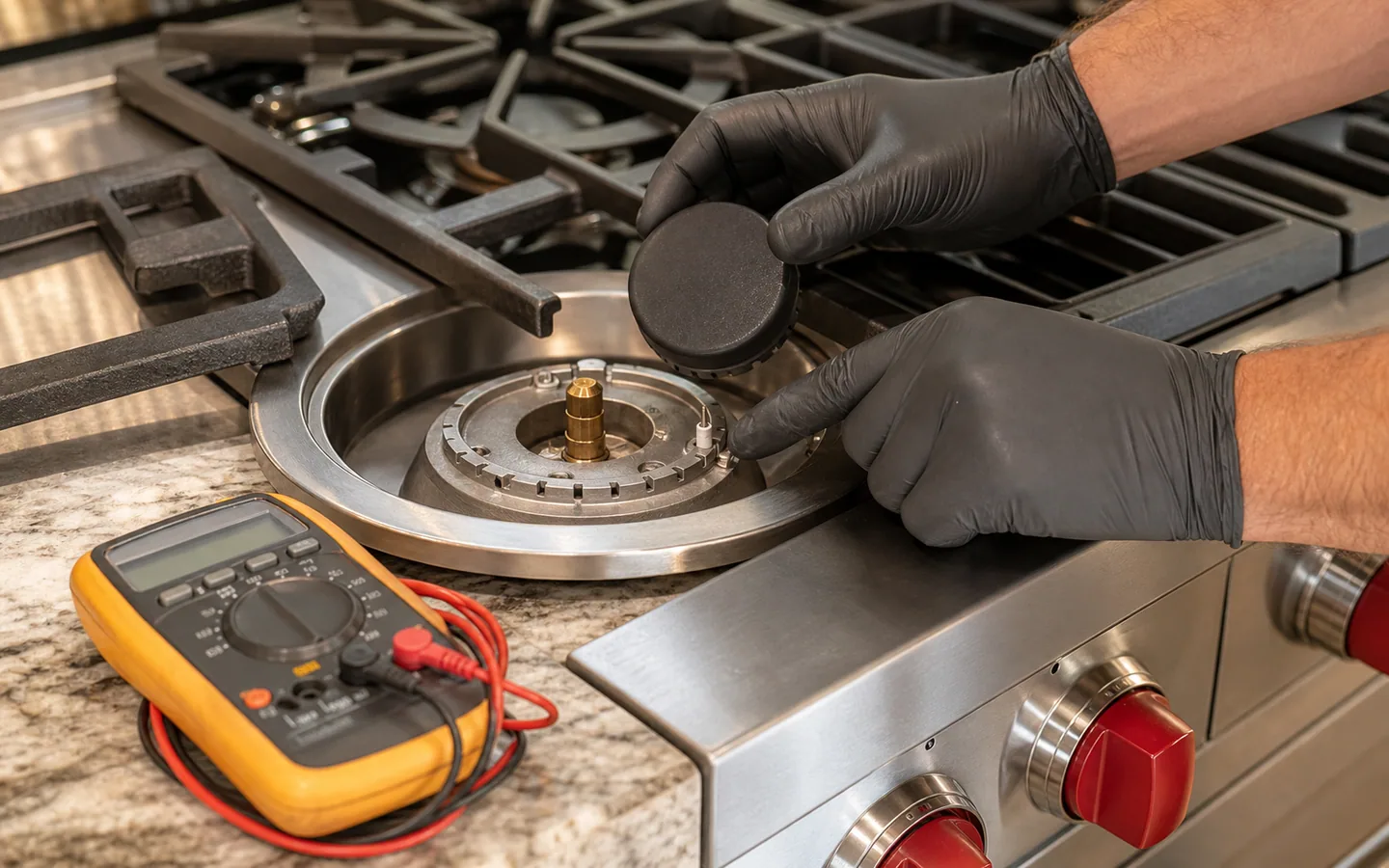
How moisture, burner placement, spark location, grounding, and ignition controls can cause persistent clicking.
Read guide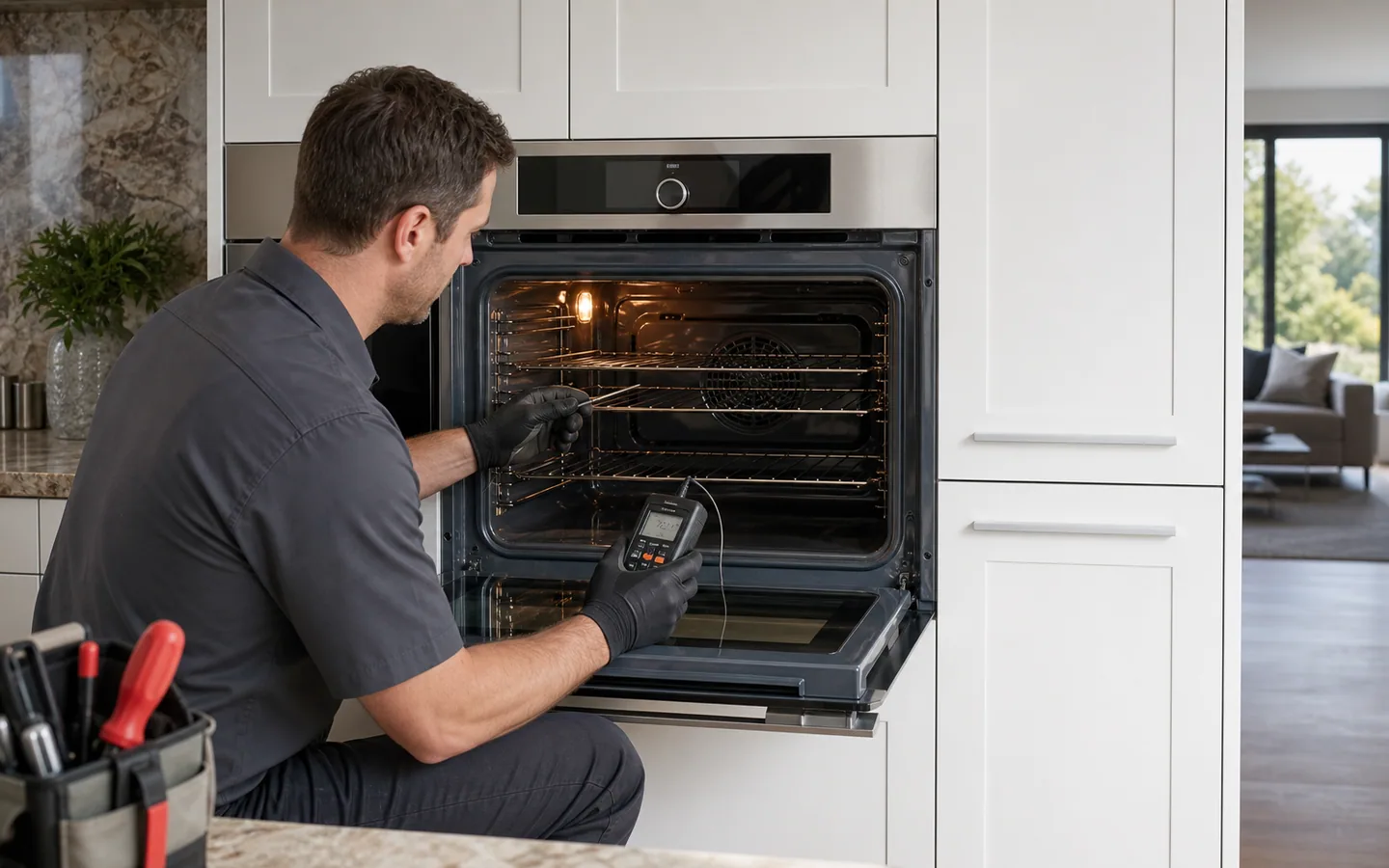
A diagnostic guide for Wolf wall ovens and range ovens that stay cold, preheat slowly, or lose temperature.
Read guide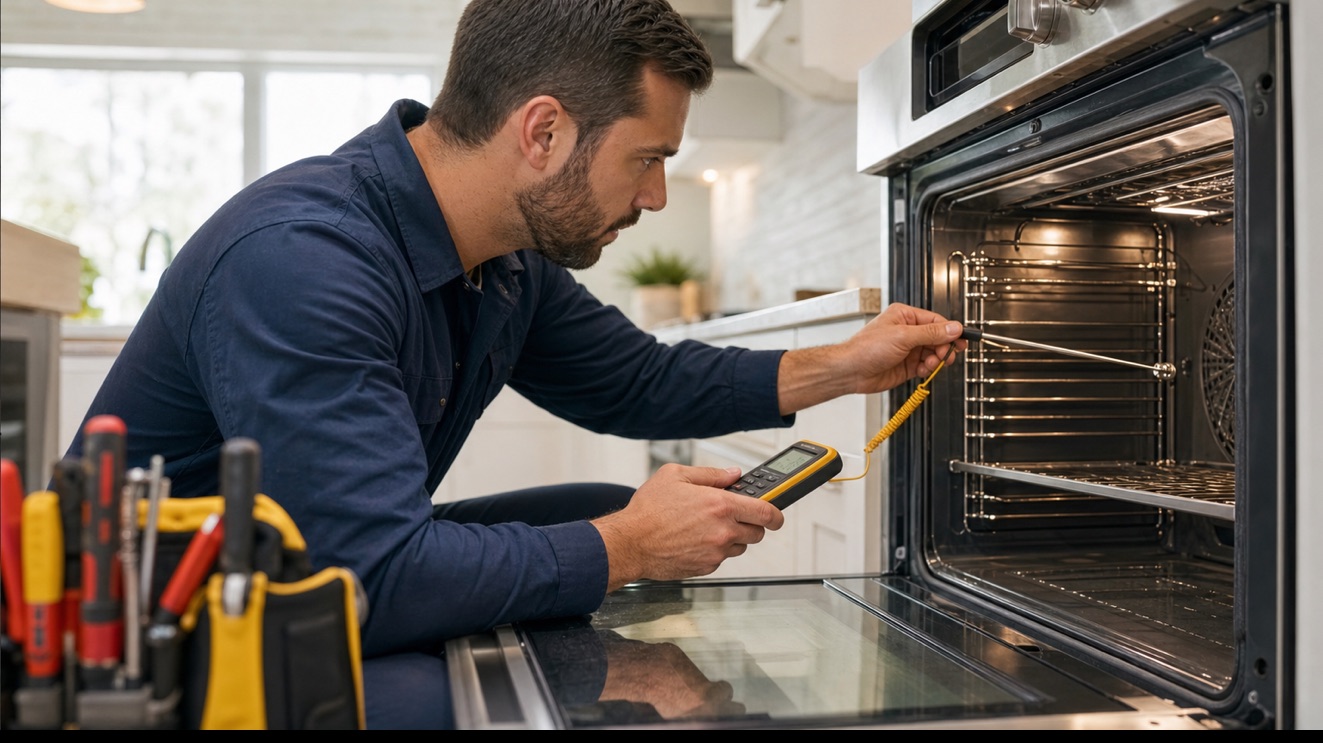
Separate a small calibration offset from sensor, element, airflow, and control problems in a Wolf oven.
Read guideLocal brand service
Local pages connect this brand guide with verified business details and nearby service coverage.
Request service
Choose the appliance and share any helpful details. We will confirm availability and the next practical appointment window.
Prefer to call?(773) 771-6118